
Fast Steps That Help Stop Water Damage and Protect Your Home
Roof leak repair after a heavy storm should start with safety, a quick check for active leaks, and fast action to limit water damage. If rain gets into your attic, ceiling, or walls, the main goal is to stop more water from entering and find the source as soon as possible. In Chicago, IL, hard rain can push water under shingles, around flashing, and into weak roof areas. A small leak can turn into a bigger repair if it sits too long.

Quick Diagnosis Summary
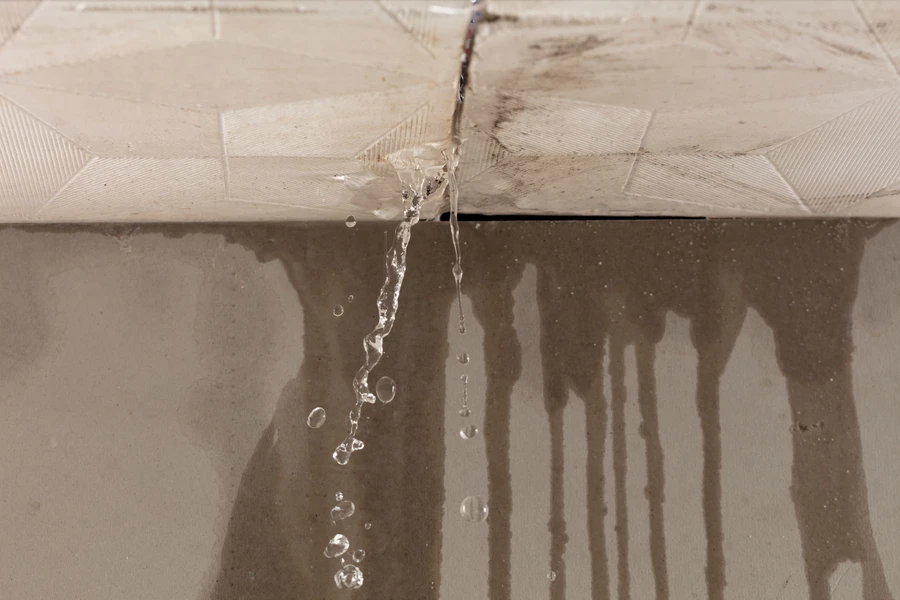
Heavy rain damage often shows up in a few common ways. You may see a ceiling stain, dripping water, wet insulation, or peeling paint. Some leaks only show during strong rain and seem to stop when the weather clears. That usually means water is getting in through a roof opening, failed flashing, or a backed-up drainage area. Fast roof leak repair helps reduce damage to drywall, wood, and flooring.
Common Symptoms
Not every leak looks the same. Water can travel from the entry point before it appears inside the home. That is why the wet spot indoors may not sit right under the roof problem.
- Brown or yellow ceiling stains
- Water dripping from light fixtures or vents
- Wet attic wood or damp insulation
- Bubbling paint or soft drywall
- Musty smells after a storm
- Missing shingles found in the yard
- Water near chimneys, skylights, or roof edges
If you notice more than one of these signs, the leak may be larger than it first seems. Even a slow drip can lead to mold, warped wood, and damaged insulation.
Likely Causes
Heavy rain puts stress on every weak part of a roof. If the roof is older, or if it already had minor wear, hard rain can expose the problem fast. The most common causes include damaged shingles, cracked flashing, clogged gutters, poor sealing around vents, and worn roof valleys. Flat or low-slope sections can also hold water longer, which raises the chance of seepage.
In some homes, the issue is not the field of the roof at all. The leak may come from around a chimney cap, plumbing vent boot, or nail holes near flashing. Service category keyword can also include related roof system problems that let water move under the outer roofing layer.
What to Check First
Start inside the home where the leak is visible. If water is still dripping, place a bucket under it and move nearby items out of the way. If a ceiling bulge forms, that may mean water is pooling above the drywall. In some cases, a small drain hole can release trapped water, but only if it is safe to do so.
Next, check the attic if you can enter it safely. Use a flashlight and look for wet wood, dark stains, or water trails. Try to trace the leak uphill, since water often runs along rafters or decking. Outside, only inspect from the ground during or after a storm. Look for missing shingles, bent flashing, debris, or gutter overflow. Do not climb onto a wet roof.
- Contain indoor water with buckets and towels.
- Move furniture, rugs, and electronics away from the wet area.
- Check the attic for water trails or soaked insulation.
- Look from the ground for visible roof damage.
- Take photos of stains, drips, and exterior trouble spots.
- Arrange roof leak repair before the next storm.
Safe Fixes Vs Pro-Level Fixes
Some short-term steps are safe for a homeowner. You can dry the area, collect dripping water, and clear simple gutter blockages from the ground if conditions are dry and stable. A tarp may help as a short-term barrier, but placing one on a roof should be handled with care and only in safe weather.
Pro-level fixes are different. Replacing shingles, repairing flashing, sealing vent boots, finding hidden water paths, and checking roof decking call for trained work. If rain damage has reached the attic, insulation, or framing, the repair may involve more than the outer roof surface. A proper fix should stop the leak at its true source, not just cover the stain inside.
Prevention Tips
Good roof care lowers the chance of future leaks during hard rain. Regular checks can catch small problems before they spread. This matters even more before storm season.
- Clean gutters and downspouts so water can drain well
- Replace cracked, curled, or missing shingles
- Check flashing around chimneys, skylights, and vents
- Trim branches that rub the roof or drop heavy debris
- Inspect the attic for damp spots after major storms
- Watch for ceiling stains and act early
A simple visual check after each strong storm can help spot trouble early. If a roof is older, more frequent inspections may help prevent major interior damage.
Final Recommendation
Heavy rain leaks usually do not go away on their own. A stain may dry, but the opening in the roof often stays in place until someone repairs it. Quick action can help limit damage and lower the chance of repeat leaks in the next storm. If the source is hard to find, if water entered the attic, or if the ceiling is sagging, it is smart to get expert help soon. In Chicago, IL, storm-related roof leak repair is best handled before the next round of rain. At Construction King Roofing, we can inspect the problem, explain the next steps, and help you schedule service when you call (708) 536-9967.