
How a Roof Coating Helps Block Water, Sun, and Wear
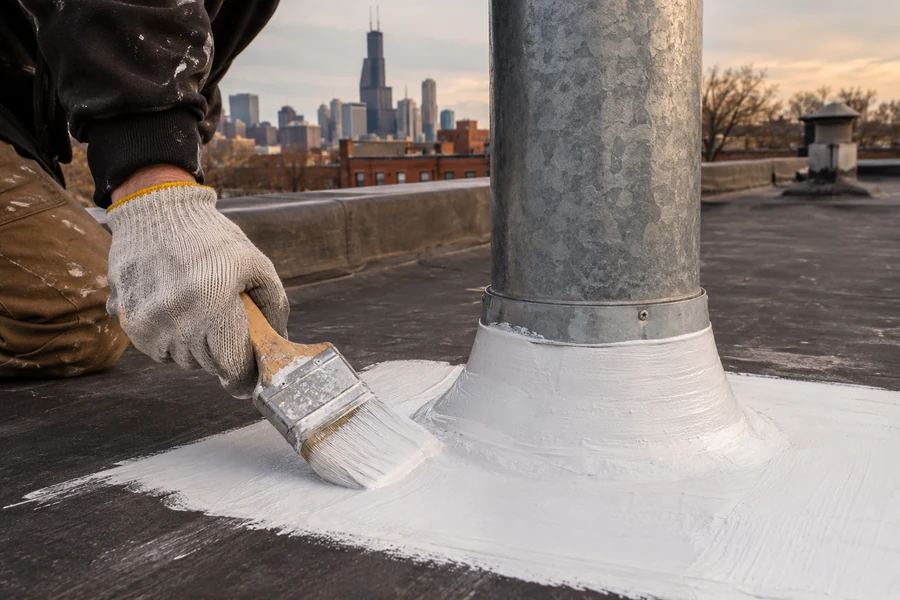
Rubber roof coating protects your roof by creating a flexible layer over the surface. That layer helps stop water from getting into small cracks and seams. It also helps reflect sunlight, which can lower heat buildup and slow roof aging. If your roof has minor wear but is still in fair shape, a coating can add protection and help it last longer.
Quick Answer
Rubber roof coating acts like a shield. It covers the roof with a rubber-like membrane that moves as the roof expands and shrinks. This matters because roofs face heat, rain, wind, and standing water. Over time, those things can wear down roofing materials. A coating helps reduce that damage. It can also seal tiny gaps before they turn into leaks. In many cases, it is used on flat or low-slope roofs, where water tends to sit longer after a storm.
What You Need Before Starting
Before any coating is applied, the roof should be checked closely. A coating is not meant to hide major roof failure. It works best when the roof is still sound. The surface also needs to be clean and dry. Dirt, loose material, and trapped moisture can keep the coating from sticking well.
You should also know the roof type. Different products work better on different materials. This is where the service category keyword can matter, since the wider roofing system affects the coating choice and the prep work needed.
- A clean roof surface
- A dry weather window
- Repaired seams, flashing, or punctures
- The right coating for the roof material
- A clear plan for safe access

Step-by-Step Process
The protection from rubber roof coating comes from both the material and the way it is installed. A rushed job can lead to weak spots. A careful process gives the best results.
- Inspect the roof for damage, soft spots, blisters, and open seams.
- Clean the surface so the coating can bond well.
- Fix problem areas like cracks, laps, drains, and flashing details.
- Let the roof dry fully before any product is applied.
- Apply the coating at the correct thickness across the whole area.
- Add extra coating or reinforcement at seams and high-stress spots.
- Allow proper cure time before foot traffic or heavy rain.
When done the right way, the finished layer helps block water and slows damage from UV rays. It can also cut down on small movement cracks because the coating stays flexible as weather changes.
Common Mistakes to Avoid
One common mistake is coating over a wet roof. Moisture trapped under the surface can cause peeling or bubbles later. Another mistake is skipping repairs first. If the roof already has open seams or bad flashing, a coating alone may not fix the issue for long. People also run into trouble when they apply the wrong product for the roof type or spread it too thin.
It also helps to avoid coating a roof that has major ponding, deep damage, or rotten sections. In those cases, the roof may need stronger repairs before any protective layer is added. A coating is a protective tool, not a cure for every roof problem.
When to Call a Professional
You should call a professional when you see active leaks, soft spots, widespread cracking, or loose roof sections. It is also smart to get help if your roof has many seams, drains, vents, or patch areas. Those parts often need extra detail work. A trained roofer can tell if rubber roof coating is a good fit or if another repair path makes more sense.
Professional help is also useful when you want the coating to last as long as possible. The roof may need prep steps that are easy to miss, such as seam treatment, patching, or surface testing. If the roof is older, an inspection can show whether the deck and membrane are still stable enough for a coating system.
Why This Protection Matters Over Time
Roofs break down a little at a time. Sun dries materials out. Rain works into weak areas. Hot and cold weather cause movement. A rubber roof coating helps slow all of that. It gives the roof another layer between the weather and the roofing surface. That can mean fewer leaks, less surface wear, and a cleaner path for routine maintenance.
It can also help building owners spot trouble faster. On many coated roofs, cracks, punctures, or worn spots are easier to see during an inspection. That means repairs can happen sooner, before water reaches the layers below. Over the long run, that kind of early action can help protect insulation, decking, and even the inside of the building.
Final Recommendation
If your roof is aging but still in workable shape, rubber roof coating can be a smart way to add protection. It helps guard against water, sun, and normal wear. The key is making sure the roof is inspected, cleaned, and repaired before the coating goes on. If you are not sure whether your roof is a good candidate in Chicago, IL, give us a call at (708) 536-9967. At Construction King Roofing, we can inspect the roof, explain your options, and help you choose the right next step for long-term protection.