
Common Roof Problems Usually Start With Damage, Age, or Poor Drainage
The need for roof leak repair usually comes from worn shingles, cracked flashing, clogged gutters, storm damage, or old roofing materials. A small weak spot can let water move under the roof and into the home. In many cases, the leak starts long before water spots show up on a ceiling. Finding the cause early can help limit damage and keep repairs smaller.
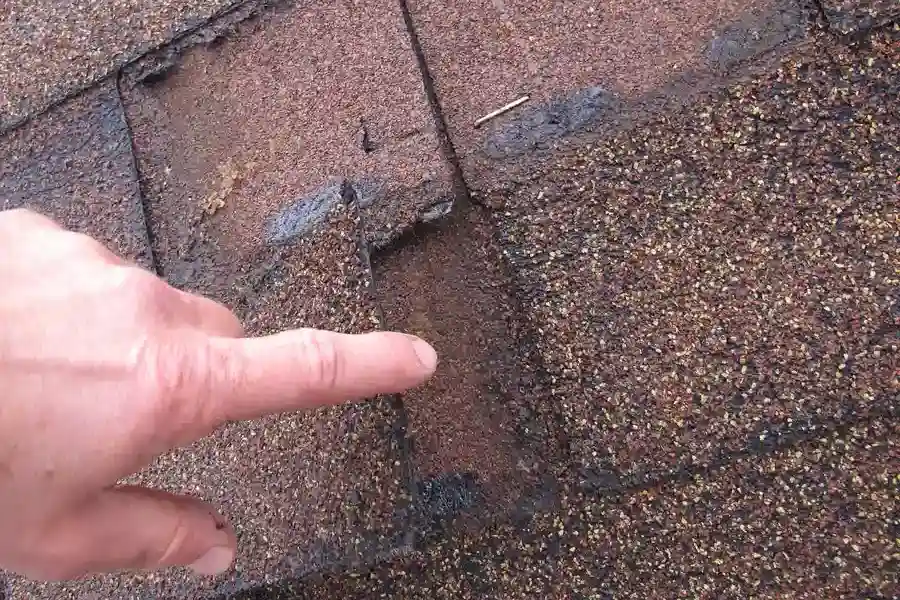
Quick Diagnosis Summary
A leaking roof is often a sign that water has found an easy path inside. That path may start near missing shingles, roof vents, chimneys, skylights, or valleys where roof sections meet. Sometimes the problem is not the roof surface alone. Poor attic airflow, backed-up gutters, or broken seals around roof parts can also lead to trouble. roof leak repair is needed when the roof can no longer keep water out during rain or after snow melts.
Common Symptoms
Many leaks do not begin with a steady drip. The first signs can be mild and easy to miss. Homeowners often spot damage indoors before they ever see the roof issue outside. That is why it helps to know what warning signs to watch for.
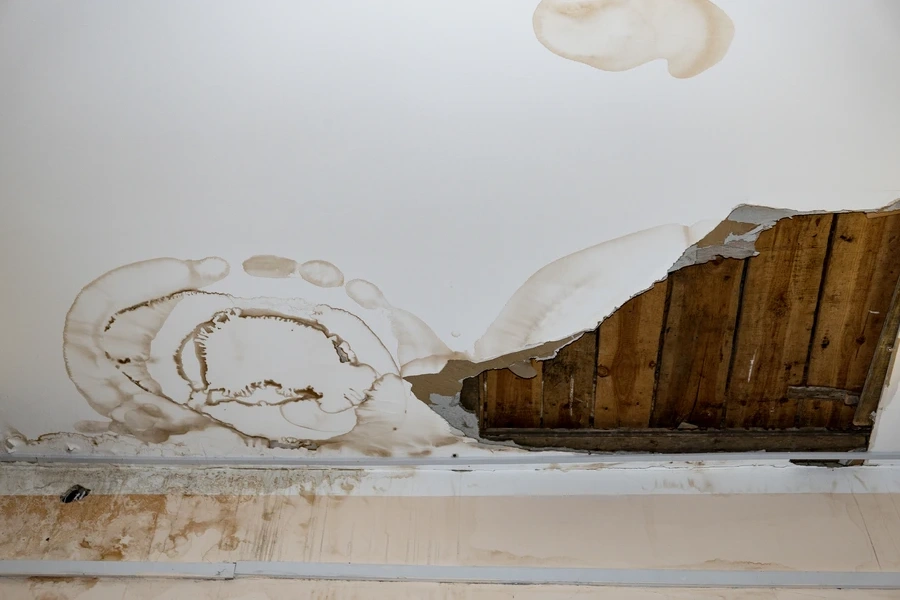
- Water stains on ceilings or walls
- Peeling paint near the top of a room
- Damp attic insulation
- Musty smells after rain
- Shingles that are curled, cracked, or missing
- Granules collecting in gutters
- Dripping near vents, skylights, or chimneys
If one or more of these signs show up, a leak may already be active. Even a slow leak can rot wood, stain drywall, and help mold grow.
Likely Causes
Several roof problems can lead to water getting inside. Age is one of the biggest reasons. Roofing materials wear down over time from sun, wind, rain, and changing temperatures. A roof that looked fine a few years ago may now have weak spots.
Storms are another common cause. Strong wind can lift shingles and break seals. Hail can bruise roofing materials and shorten their life. Heavy rain can expose small cracks that stayed hidden in dry weather. In colder months, melting and refreezing water may push into gaps and make them larger.
Flashing failure is also a big issue. Flashing is the thin material placed around chimneys, vent pipes, and roof edges to block water. If it rusts, cracks, or pulls loose, water can slip past it. roof leak repair often involves fixing these small but very important parts.
Blocked gutters can also play a role. When leaves and debris stop water from flowing away, water may sit near the roof edge and seep under shingles. In some cases, poor workmanship from past repairs or installation problems can be the root cause as well.
The service category keyword may be blank here, but the problem still falls under general roofing care and repair work.
What to Check First
If a leak is suspected, start with safe and simple checks from the ground or inside the home. Do not climb onto a wet or steep roof. It is better to look for clues in places where leaks often start.
- Check ceilings and attic spaces for fresh water marks.
- Look for visible shingle damage from the ground.
- Inspect gutters for clogs and heavy granule loss.
- Check around chimneys, skylights, and vents for staining.
- Notice if leaks happen only during hard rain or all rain.
This basic review can help narrow down the source. Still, keep in mind that water can travel before it drips. The wet spot inside may not sit right under the actual roof opening.
Safe Fixes Vs Pro-Level Fixes
Some small tasks are safe for a homeowner. Cleaning gutters, placing a bucket under a drip, or moving stored items away from water are simple first steps. A tarp may be used in an emergency if it can be placed safely and without climbing onto a risky surface.
Other repairs need more skill. Replacing shingles, sealing flashing, fixing roof valleys, or repairing hidden wood damage are jobs that often call for a trained crew. A roof leak may seem small, but the damaged area under the roofing can be much larger than expected. roof leak repair done the wrong way can trap water, shift the leak, or lead to more costly damage later.
Prevention Tips
Many leaks can be avoided with regular care. A roof does not need daily attention, but it does need checks from time to time. A simple routine can help spot trouble before water gets indoors.
- Clean gutters and downspouts during the year
- Trim tree branches away from the roof
- Check for loose or damaged shingles after storms
- Watch for rusted or lifted flashing
- Look in the attic for damp spots or mold
- Schedule roof inspections as the roof gets older
These steps can lower the chance of surprise leaks. They can also help extend the life of the roof system.
Final Recommendation
If a roof leak is caught early, the fix is often simpler. Waiting can turn a minor repair into damaged insulation, wood rot, or interior repairs. Homeowners in Chicago, IL should act when they see stains, drips, or shingle damage. At Construction King Roofing, we can inspect the problem, explain the cause, and help with roof leak repair before it gets worse. Call us at (708) 536-9967 to schedule a visit and let our team help protect your home.