
The Best Time Is During Dry, Mild Weather Before Small Roof Issues Grow
The best time to apply rubber roof coating is when the roof is dry, clean, and in good enough shape to seal. For most buildings, that means applying it during mild weather, often in spring or fall, before leaks and cracks get worse. If you wait until water is getting inside, the job may need repairs first. In Chicago, IL, planning around rain, heat, and cold can help the coating last longer and protect the roof better.
Why Prevention Matters
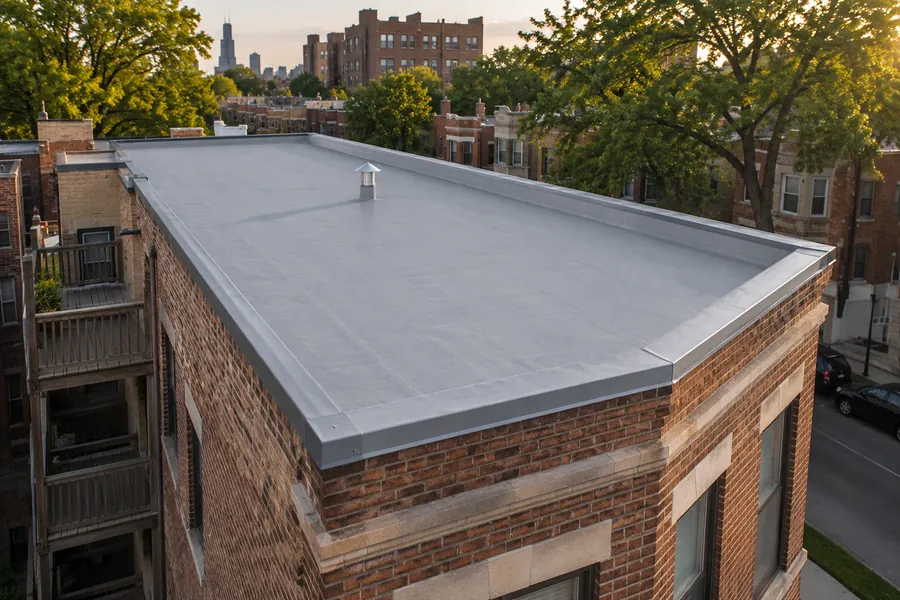
rubber roof coating helps protect a roof from sun, rain, and normal wear. It adds a layer over the surface that can slow down aging and help block moisture. That matters because small roof problems often start quietly. A tiny crack or open seam may not seem like much at first. After a few storms, that same spot can let in water and lead to bigger damage inside the building.
Preventive care is often simpler than dealing with a leak after it spreads. A coated roof may also reflect heat and help the roof surface handle daily weather changes. This is useful for many types of service category work on low-slope or flat roofing systems. The key is timing. A coating applied too late, or in the wrong weather, may not bond well or last as long as it should.
Early Warning Signs
You do not have to wait for a major leak to think about roof protection. Many roofs give small warning signs first. Catching those signs early can help you apply rubber roof coating at the right time.
- Small cracks in the roof surface
- Dry, worn, or chalky areas
- Old seams starting to lift
- Small spots where water sits after rain
- Tiny blisters or bubbles
- Past patch jobs that are aging
- Higher indoor moisture near the ceiling
If you see one or more of these issues, it may be a good time for a roof inspection. A coating works best when the roof is still stable. If the membrane is badly damaged or the decking underneath is wet, repairs usually come first.
Seasonal or Routine Checklist
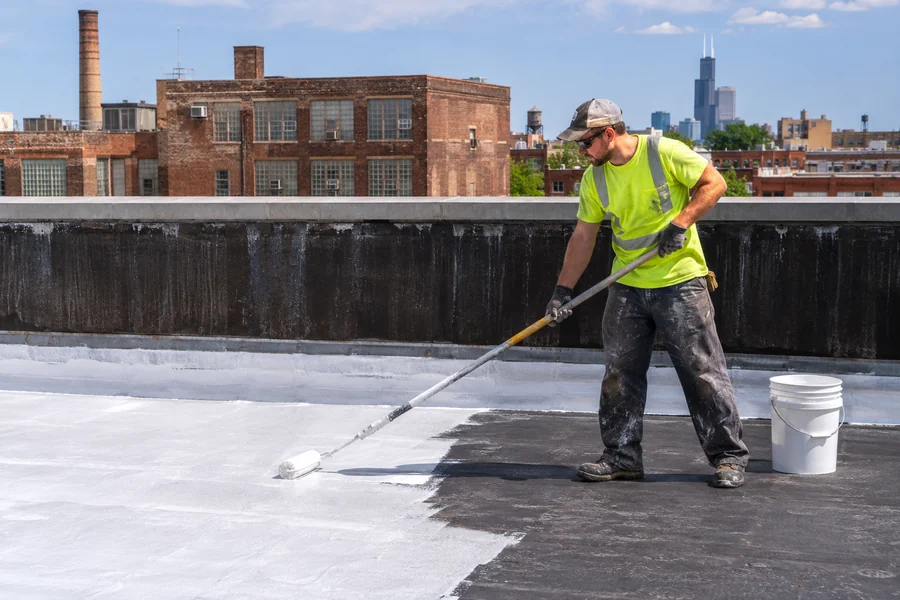
Many property owners ask when during the year they should schedule this kind of work. In most cases, you want a stretch of dry days with mild temperatures. The roof should be fully dry before coating begins, and the coating needs enough time to cure.
- Inspect the roof after winter or after storm season.
- Look for ponding water, cracks, open seams, and worn spots.
- Check the weather for dry days and mild temperatures.
- Clean the roof surface so dirt and debris do not block bonding.
- Make needed repairs before any coating is applied.
- Apply rubber roof coating only when the surface is fully dry.
- Recheck the roof once the coating has cured.
Spring and fall are often good times because the weather is more stable. Summer can also work, but extreme heat may affect how the material sets. Winter is usually harder because cold temperatures and moisture can cause problems during application.
Best Practices for Long-Term Results
Good timing is only part of the job. Good prep matters just as much. A coating should go on a roof that is clean, dry, and structurally sound. If there is grease, dust, loose material, or trapped moisture, the new layer may not stick the way it should.
It also helps to think about the roof’s age and condition. An older roof can still be a good fit for rubber roof coating if the base system is in fair shape. Coating over major damage, though, can trap problems below the surface. That is why many roofers inspect seams, flashing, drains, and weak areas before work starts.
Routine follow-up checks also help long-term results. Even after a coating is installed, the roof should still be looked at after strong storms and during seasonal maintenance. That way, small issues can be fixed before they spread.
What Not to Do
Some timing mistakes can shorten the life of a roof coating. One common mistake is applying it right before rain. Another is coating over wet materials. Some people also try to coat a roof that has active leaks without finding the source first. That can hide the problem for a short time, but it often comes back.
It is also a mistake to skip repairs just to save time. Coatings are protective layers, not magic fixes for every roof issue. If the roof has soft spots, major seam failure, or trapped water, those problems need attention first. Applying product in very hot or very cold weather can also affect curing and performance.
Another problem is poor cleaning. Leaves, dirt, old loose patch material, and standing water can all interfere with adhesion. If the coating does not bond well, peeling and weak spots may show up much sooner than expected.
When to Schedule Professional Help
Professional help makes sense when the roof has more than light wear, when leaks have already started, or when the surface condition is hard to judge from the ground. A trained roofer can tell whether the roof is ready for rubber roof coating or if repairs should happen first.
You may also want expert help if the roof is large, has many seams and vents, or has areas that hold water for more than a day or two after rain. In Chicago, IL, weather patterns can also affect scheduling. A local roofing team can help plan the work during a safer weather window and choose materials that fit the building and roof type.
If you are trying to extend the life of an aging flat roof, timing the work before major damage starts is often the smartest move. A quick inspection can help you decide whether now is the right time or if another step should come first.
Get Clear Guidance Before Small Roof Issues Grow
If you are in Chicago, IL and want help figuring out the right time for roof coating, reach out for a professional inspection. At Construction King Roofing, we can check the roof condition, explain the next steps, and help you plan work that fits your building. Call us at (708) 536-9967 to get started.